

Beyond the Feature List: What Public-Sector Parking Buyers Should Evaluate Now
As parking technology matures, feature lists matter less than architecture. Here's what agencies should really evaluate when choosing their next platform.

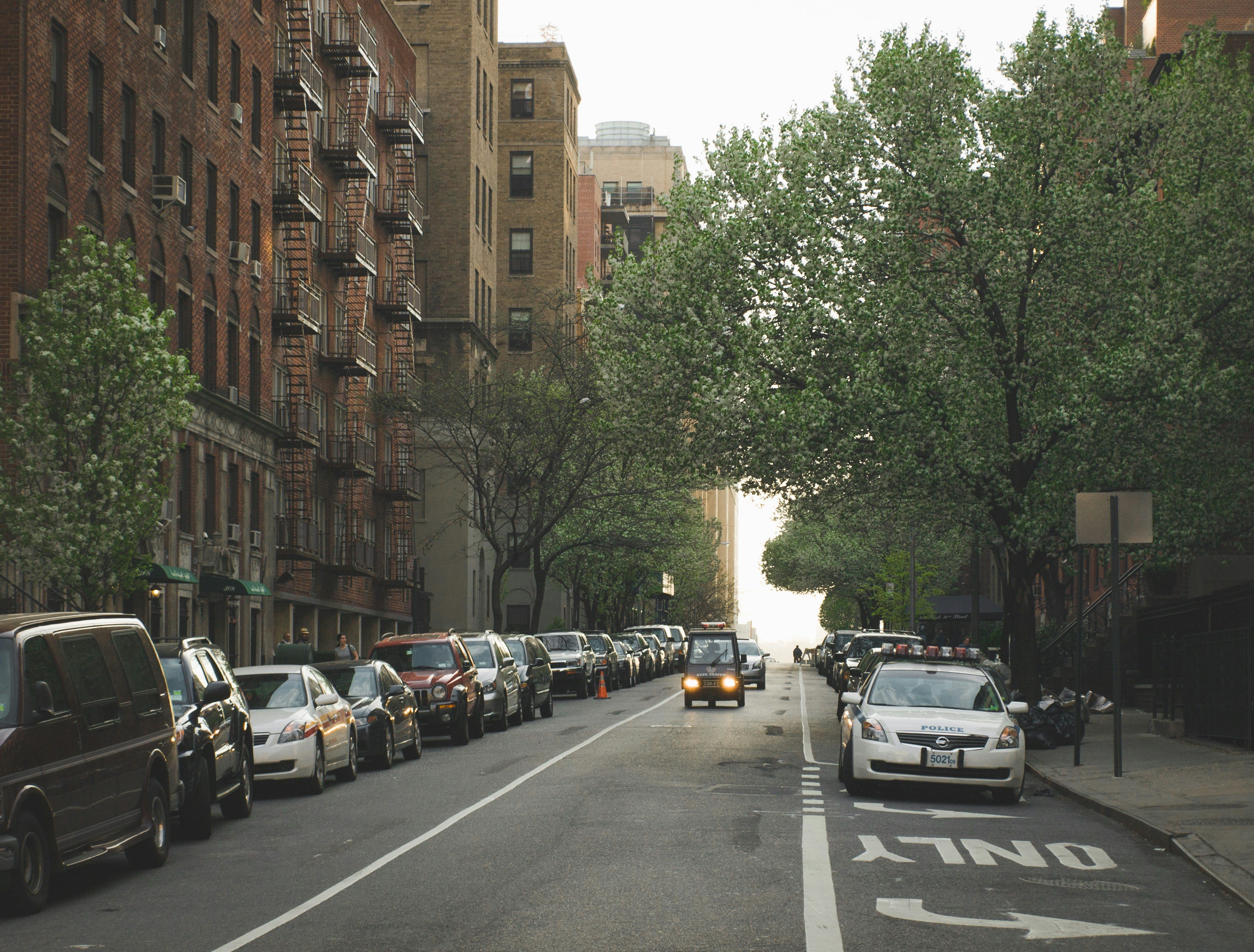
Obstructed bus and bike lanes create numerous challenges for commuters and cyclists, from slower, less reliable bus service to increased traffic, pollution, and dangerous conditions. Illegal parking undermines vital infrastructure investments, discourages alternative transportation options, and exacerbates reliance on private cars. Unfortunately, limited enforcement resources make it difficult to catch violators in the act.
A pilot program in Chicago is looking to tackle these issues head-on by leveraging automated ticketing systems to enforce parking violations more efficiently and effectively. Launched in November 2024, Chicago’s cutting-edge “Smart Streets” program uses cameras mounted on city vehicles to identify parking infractions, capture images of illegally parked vehicles in bus and bike lanes, and mail notices to motorists. During its first month, vehicle owners will receive only warnings, but starting in December, the program will issue fines for these infractions. The initiative covers much of downtown Chicago, including key streets like Madison, Washington, and Dearborn.
The primary objective of this program is not to generate revenue, but to ensure safer, more efficient streets. Automated ticketing allows the city to address parking violations without relying on manual enforcement, which can be time-consuming. The cameras capture clear, time-stamped images of violations, which are then reviewed and processed. The beauty of this system is its ability to provide real-time evidence of violations and issue fines without delay, improving traffic flow and pedestrian safety.
Trellint plays a critical role in this process. We specialize in mapping bus and bike lanes and other illegal conditions and providing the image review process that powers these ticketing efforts. By cross-checking vehicle information, location, and time, our review process provides verifiable evidence of violations and helps ensure transparency. Valid infractions are sent through for violation processing, thereby effectively discouraging illegal parking. The program promises to improve safety for cyclists and boost public transit efficiency.

With mobile cameras mounted on city vehicles, the system can be dynamically deployed to areas with high violation rates. This allows the city to prioritize hotspots and address enforcement needs as they arise, without being tied to fixed locations or expensive infrastructure like pole-mounted cameras.
Plans for expanding the pilot are already underway. Soon, Smart Streets will be utilized to enforce parking meter violations, with Trellint verifying meter and app payments. As cities across the country look for ways to modernize their traffic enforcement practices, the success of programs like Smart Streets in Chicago could serve as a model for others to follow. Automated vehicle recognition and ticketing systems are a critical part of the future of urban mobility. By embracing these technologies, cities will not only improve enforcement but also enhance public safety, reduce traffic congestion, and make streets safer for everyone.
At Trellint, we are proud to help transform curb management. We’re committed to delivering innovative solutions that help cities tackle their toughest traffic challenges. Whether it’s providing image review, data analysis, or scaling enforcement across a growing network of mobile cameras, we are excited to support the evolution of smart, sustainable urban transportation.
Read the newest updates and insights from our team.
As parking technology matures, feature lists matter less than architecture. Here's what agencies should really evaluate when choosing their next platform.

As AI adoption grows across the parking industry, Gaurav Khanna from Trellint explores why success depends on building an AI-ready organization.

Discover key takeaways from Trellint's IPMI Virtual Learning Lab, where David Strathy-Miller and Sean Mackin discuss open ecosystems, modernization, and future-ready parking technology.
Evaluate parking citation collections bids with confidence. A practical guide to RFP requirements, vendor accountability, performance oversight, and revenue recovery.
Discover how predictive modeling, forecasting, and independent analysis help cities improve parking collections performance and revenue outcomes.
Discover how to manage a flexible, integrated ecosystem that delivers safer streets, better mobility, and long-term value.
Have a question or request? Let us know and we’ll follow up shortly.